An Island That Was Never Supposed to Matter
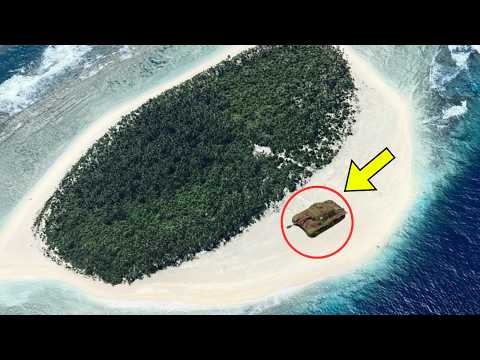
Lt. Riley Beer had flown over Peak Lot Island dozens of times before. It was nothing more than a thin stretch of sand and palm trees in the Pacific—no docks, no buildings, no fresh water, and officially no people. On charts, it existed mostly as a warning for pilots, a place you knew where not to land. That morning patrol felt no different until Riley noticed movement near the tree line that didn’t match wind or birds. Something slow. Uneven. Enough to make him bank the aircraft and take another look.

Three Letters Etched Into the Sand
As the aircraft circled lower, the beach came into focus—and so did the message carved deep into the shoreline. Three massive letters stretched across the sand, wide enough to cast shadows even from above: S.O.S. They weren’t faded or eroded. They were fresh. As Riley stared, three thin figures stumbled out from the trees. They didn’t run. They barely walked. Each movement looked forced, as if their bodies were working against them. Near the water sat a battered skiff, pulled crooked onto the sand like the ocean itself had rejected it.

Radio Silence and a Problem Growing Fast
Riley radioed for rescue support immediately, but only static answered. The equipment was working—no one was hearing them. Below, one of the figures collapsed onto the sand. Then Riley’s co-pilot spotted something worse forming on the horizon: a storm front racing toward the island, flattening the ocean into dark gray waves. Radar gave them less than twenty minutes. Winds were already rocking the aircraft. A hoist rescue in those conditions could kill everyone involved—but leaving them behind felt unthinkable.

The Only Help They Could Give Without Landing
With time running out, Riley ordered an emergency supply drop—food, water, medical gear, and a radio. The aircraft hovered lower than protocol allowed as the wind shoved it sideways. The package hit the sand hard and slid, and the survivors lunged for it immediately. When Riley finally made radio contact, the voice that answered was thin and cracked. They had been stranded for 33 days. They drank rainwater. They ate rats. One woman could no longer stand. As rain began hammering the windshield, Riley promised they would come back.

Watching an Island Get Erased
The storm didn’t approach—it swallowed the island whole. Sheets of rain erased the shoreline, palm trees bent violently, and the SOS letters broke apart under pounding water. The three figures blurred into dark shapes clinging together as the aircraft was forced to pull away. Riley keyed the mic one last time, telling them to stay with the supplies and stay visible. Static answered. Within seconds, the island vanished into gray nothingness, leaving the crew staring at empty sky where people had just been.

Returning at First Light
At dawn, the storm finally weakened enough for another launch. Riley didn’t wait for the briefing to finish. When they reached the coordinates, the island had reappeared—but it was torn apart. Debris littered the beach. The SOS was gone completely. Then someone moved. All three were still alive, barely. One man waved weakly while another supported the woman whose body sagged as if gravity itself was too much. Riley ordered the hoist deployed without hesitation.

Every Second Was a Gamble
The wind was still unpredictable as the cable dropped. One by one, the survivors were lifted from the sand. The woman slammed lightly against the fuselage during a sudden gust, her pulse faint but present when she was pulled inside. Medics moved instantly, oxygen and glucose flowing as the aircraft fought to stay steady. The final man collapsed onto the cabin floor, whispering a single word—thank you. Another night out there, doctors later said, and the woman wouldn’t have survived.

The Detail Riley Never Forgot
Weeks later, Peak Lot Island returned to being just another empty mark on a chart. No SOS. No footprints. No sign anyone had ever been there. But Riley never forgot one thing: if he hadn’t looked twice—if he’d treated it like every other meaningless patch of sand—no one would have ever known those people were alive. And no one would have ever come back.